
Term for the totality of haptic (active touching or passive feeling), tactile (passive feeling) and trigeminal (perceived via the three-part trigeminal nerve of the facial region) sensory impressions when consuming a wine. These are perceived via special receptors in the oral cavity and, in addition to odour and taste, have a significant influence on the overall sensory impression of a wine.
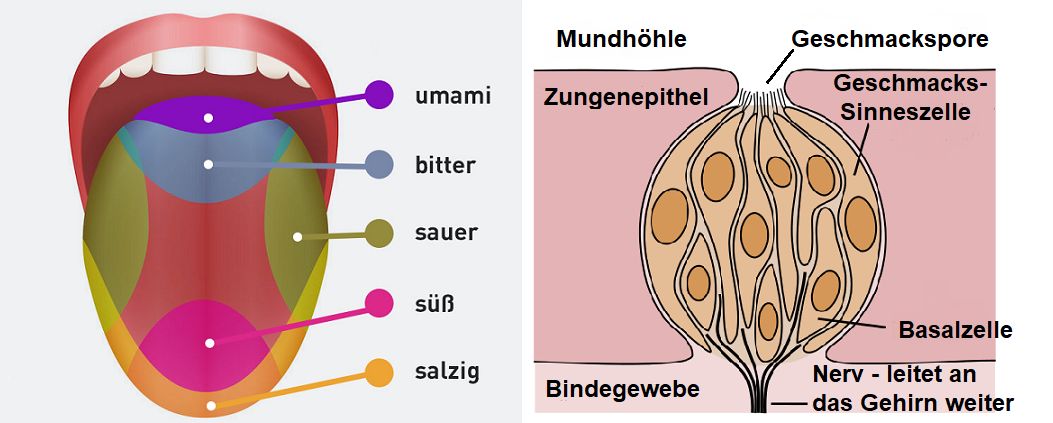
Many of these sensations are often attributed to taste, although they do not belong to the five flavours of sweet, sour, salty, bitter and umami. Instead, they are created by touch, pressure, temperature and pain stimuli in the oral cavity. For example, the cooling effect of carbon dioxide or menthol, the warming effect of alcohol, which can be stinging at high intensity, the tingling of a sparkling wine or the astringent (mouth-contracting) effect of tannins are perceived as mouth sensations.
![]()
In the past, you needed a wealth of encyclopaedias and specialist literature to keep up to date in your vinophile professional life. Today, Wine lexicon from wein.plus is one of my best helpers and can rightly be called the "bible of wine knowledge".
Prof. Dr. Walter Kutscher
Lehrgangsleiter Sommelierausbildung WIFI-Wien